
What is Fucoidan?
A comprehensive review of the bioactive sulfated polysaccharide derived from brown seaweeds knows as Fucoidan and its clinical implications in implications in integrative oncology. Fucoidan has attracted a lot of attention due to its multiple physiological and biological functions including anti-inflammatory, immunomodulatory, antitumor, antibacterial, antiviral, anticoagulant, antioxidant, neuroprotective, cardio-protection and growth-promoting effects.

Fucoidan: Structure and Bioactivity
Fucoidan is a sulfated polysaccharide primarily sourced from brown seaweeds. Common sources include Mozuku (Cladosiphon okamuranus), Mekabu (Undaria pinnatifida), and Bladderwreck (Fucus vesiculosus). Fucoidan may support immune function and promote overall wellness [7].
"Fucoidan offers powerful bioactive benefits such as immune modulation, anti-inflammatory, and antioxidant effects. It enhances immune and cellular defense, shows promise in therapeutic areas like anti-cancer, anti-coagulation, and antiviral treatments, and supports gut and metabolic health by protecting the gastrointestinal tract and improving lipid profiles and insulin senstivity [8]."
Focus on Cancer Research (Peer-Reviewed Scientific Journals)
As per extensive research obtained from several peer-reviewed scientific journals, Fucoidan has become a focal point in integrative oncology due to its multi-faceted biological activities. Scientific research has identified several key mechanisms:
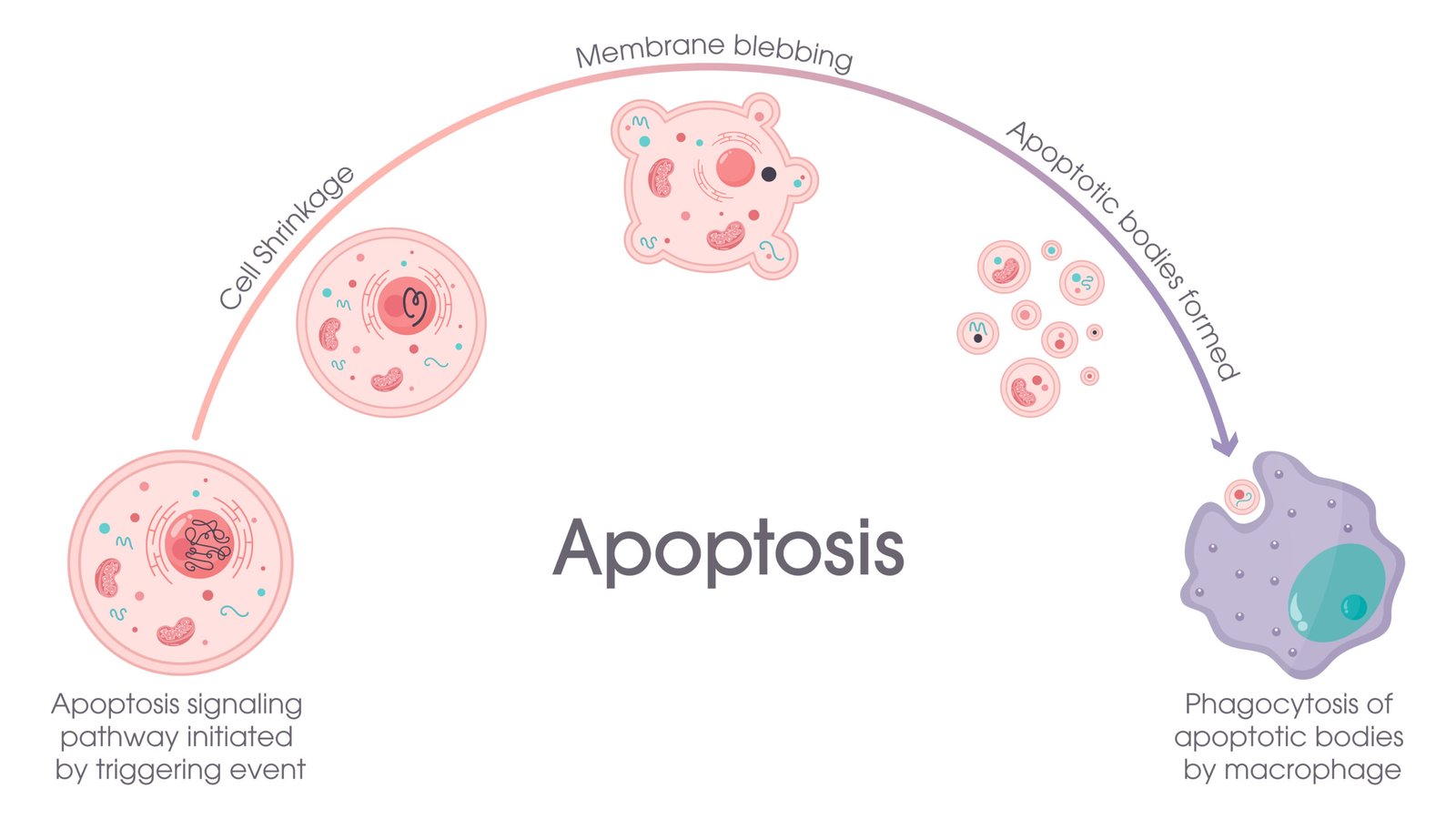
Fucoidan is a kind of the polysaccharide, which comprises of sulfated fucose residues. Existing researches have demonstrated that fucoidan can directly exert the anti-cancer actions through cell cycle arrest, induction of apoptosis, etc., and can also indirectly kill cancer cells by activating natural killer cells, macrophages, etc. [9]
Fucoidan enhances the secretion of angiogenic factors like VEGF (vascular endothelial growth factor). It stimulates the migration and tube formation of endothelial cells. Fucoidan exhibits anti-inflammatory properties, which can support angiogenesis. Research indicates its potential in wound healing and tissue regeneration through angiogenic mechanisms. [10]
The major mechanism by which fucoidan protects cells is through the activation of the host immune responses. Fucoidan binds to different receptors such as Toll-like receptors (TLRs) on dendritic cells (DCs), macrophages and other monocytes, and then activates them to release pro-inflammatory factors, cytokines and chemokines, which can help the host to form a strong immune response and achieve regulation of the immune system [11].
Molecular Weight Classifications
Fucoidan's biological efficacy is closely linked to its molecular weight. Based on scientific monographs, Fucoidan is categorized into several primary refined types:
Typically less than 10 kDa. Enhanced bioavailability and rapid absorption [12].
Ranges from 10 kDa to 100 kDa. Exhibits moderate biological activity [12].
Greater than 100 kDa. Stronger immunomodulatory effects [12].
Exceeds 200 kDa. Specialized therapeutic applications [12].
Segmented ranges for targeted research and applications [12].
Original molecular weight characteristics [12].
Biological Activities of Fucoidan
- Antitumor
- Antioxidant
- Anticoagulant and antithrombotic
- Immunoregulatory
- Antiviral
- Anti-inflammatory
- Alleviate metabolic syndrome
- Protect the gastrointestinal tract
- Benefit angiogenesis
- Benefit bone health
Extraction and Purification of Fucoidan
The therapeutic potential of Fucoidan is strictly dependent on the extraction method. Modern water-based extraction ensures that the polysaccharide structure remains intact, maintaining its high molecular weight. Therapeutic grade Fucoidan typically requires a purity of 85% or higher to ensure significant biological activity as referenced in most peer-reviewed scientific journals.
Fucoidans contain fucose as a major monomer, and several other monosaccharides, such as galactose, xylose, arabinose, mannose, glucose, or glucuronic acid. Sulfated polysaccharides exhibit several bioactivities of high relevance for therapeutic applications. The design of the optimal extraction, fractionation and purification sequence is highly relevant for providing reproducible and purified products [12].

Overview
Immunomodulatory features of Fucoidan serve as a potential approach to managing cancer metastasis. Fucoidan from brown seaweeds enhances immune cell proliferation, activation and migration.
Fucoidan significantly activates NK cells and recruits them into the tumor microenvironment. It also stimulates dendritic cells to activate T cells and modulates immune responses against tumor cells. Fucoidan illustrates anti-inflammatory effects by suppressing the secretion of proinflammatory mediators at the tumor site.
Primary Sources
Mozuku (Cladosiphon okamuranus), Mekabu (Undaria pinnatifida) and Bladderwreck (Fucus vesiculosus)
Molecular Structure & Immunomodulation
Marine Algae
T Cell Activation in Cancer
Germinal centre
Dendritic Cell
Activation, proliferation, migration
(Naive)
Tumor site
Cancer cell death
Anti-inflammatory Pathway
NK Cell Recruitment & Activation
NK-specific activation
(PD1, PDL1, CTLA4, CD80/CD86)
NK cell recruitment
CD19, CD16, IL2
PDL1, CD80/CD86