
Explore our comprehensive database of over 2,500 studies.
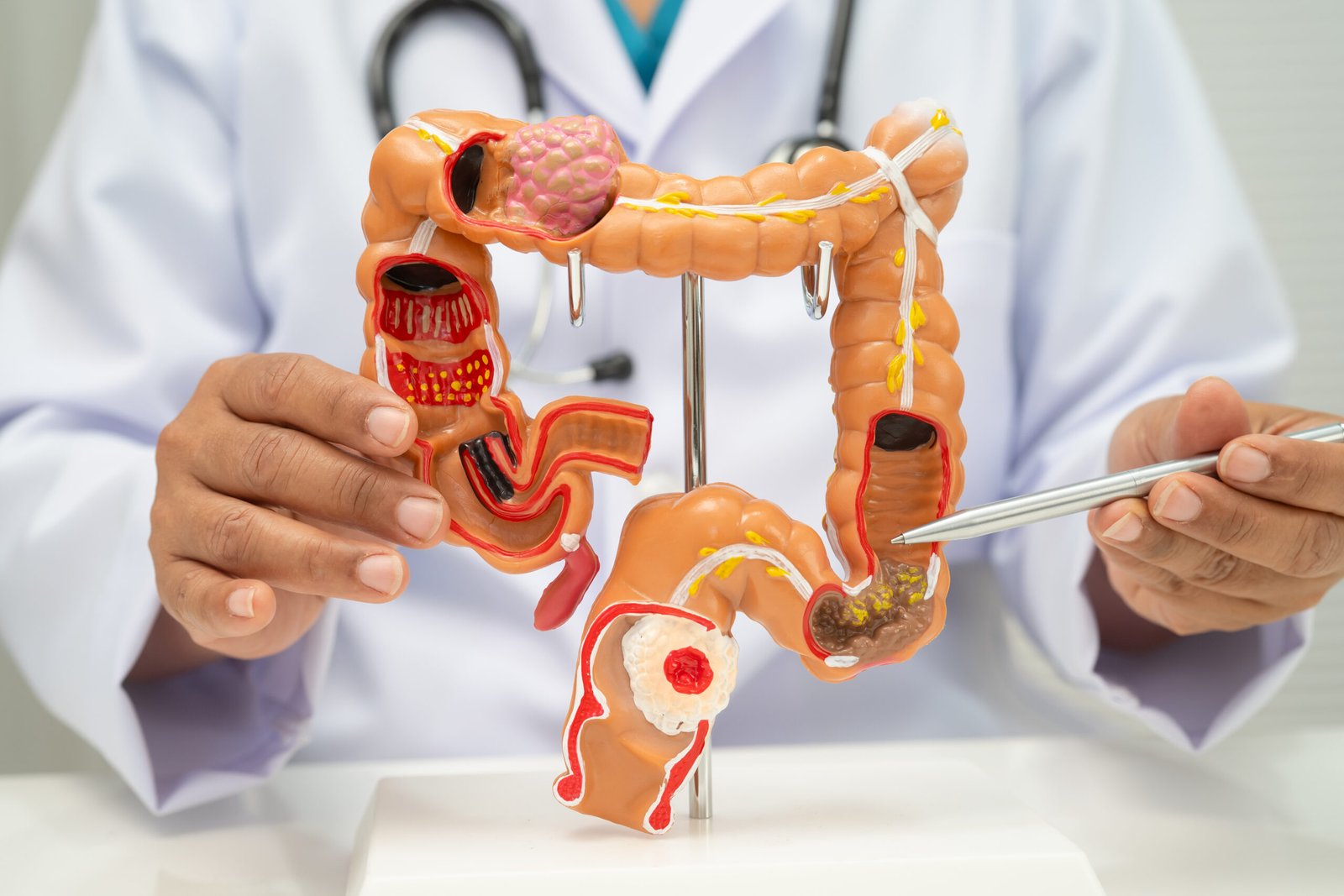
Fucoidan fromFucus vesiculosus inhibits the growth of HCT-15 human colon cancer cells by inducing apoptosis (cell death) through the activation of caspases, ERK, and p38, alongside the inhibition of the PI3K/Akt pathway [2, 3]. By decreasing anti-apoptotic Bcl-2 and increasing pro-apoptotic Bax, fucoidan shows potential as a therapeutic agent for colon cancer treatment [3]
View Studies
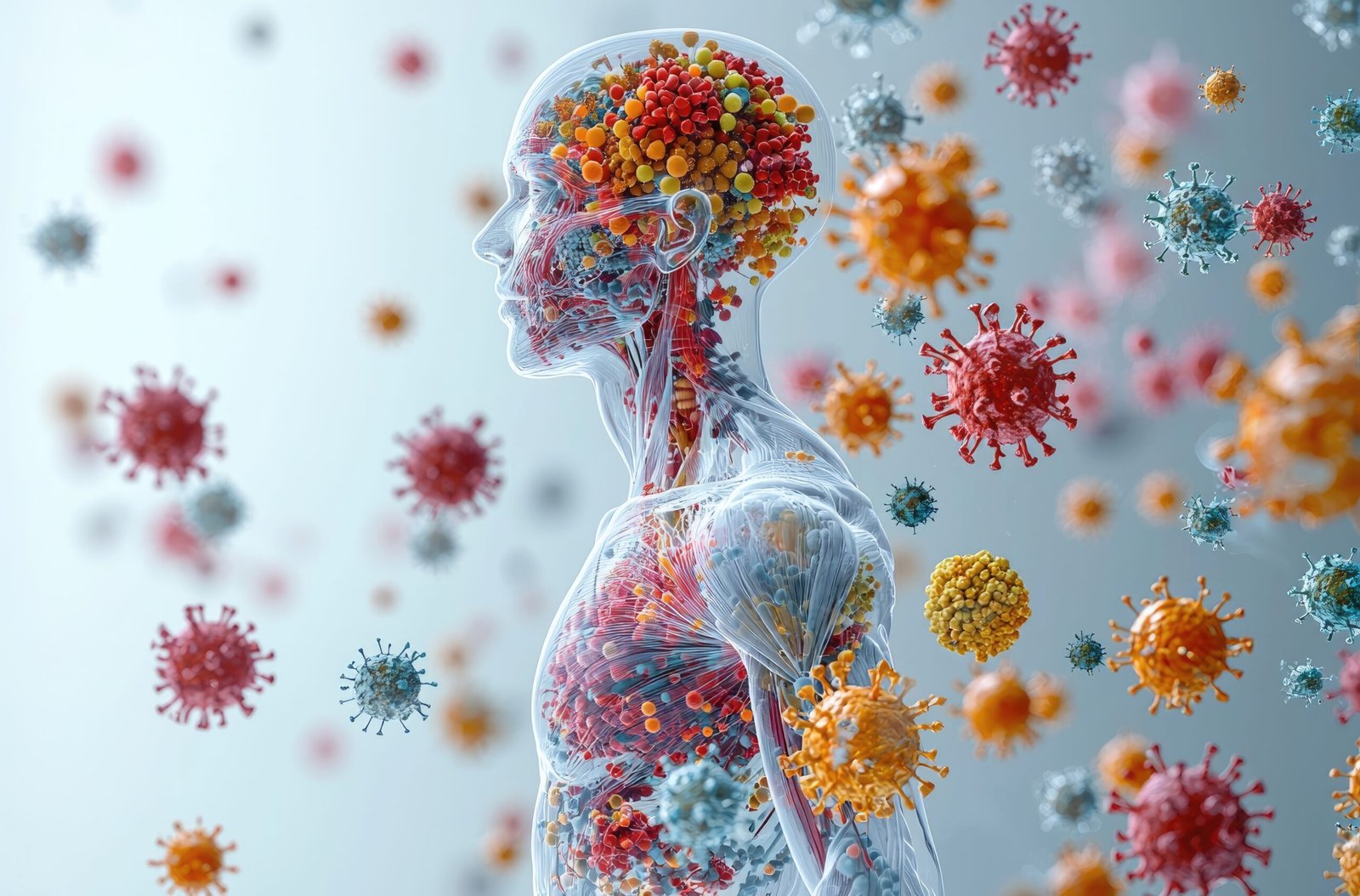
Fucoidan, a sulfated polysaccharide extracted from brown seaweeds, exhibits a wide range of bioactivities, including anticancer activity. As natural killer (NK) cells serve an important role in defenses against tumor cells, the present studies examined the effects of fucoidan extracted from CladosiphonOkamuranuson NK cell activity in cancer survivors [4]
View Studies

Fucoidan is sulfated polysaccharide of brown seaweeds that may help to maintain glucose homeostasis by reducing the rate absorption of glucose from the intestine and increasing its utilization by muscle fibers as a nutraceutical for patients with diabetes mellitus. Fucoidan should be considered as a functional food product for the prevention and treatment of diabetes mellitus [5].
View Studies
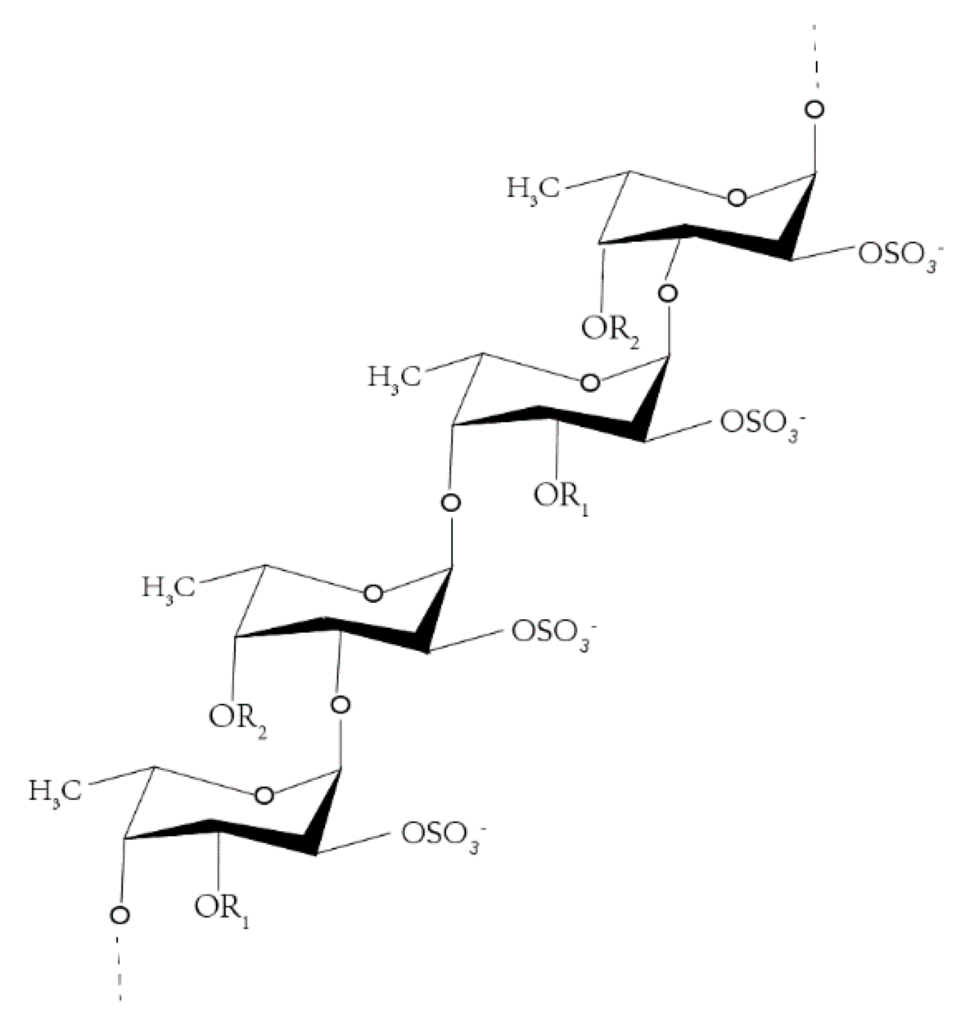

Fucoidan is a sulfated polysaccharide found mainly in various species of brown seaweeds such as Mozuku, Mekabu, and Bladderwrack.
Scientifically recognized for its high molecular weight and complex structure, Fucoidan has been the subject of extensive research investigating its potential bioactivities.
✓ Types of Seaweeds
-Mozuku (Cladosiphon okamuranus)
-Mekabu (Undaria pinnatifida)
-Bladderwrack (Fucus vesiculosus)
✓ Advanced Extraction Processes
It was found that one species of brown algae could produce several types of fucoidan differing in their fucose, aldose, uronic acids, acetyl groups and sulfate content. Other studies have reported the extraction of four types of fucoidan from different species, which showed different antioxidant activity, depending on sulfate content and monosaccharide composition. The polysaccharide sulfate content and degree of sulfation may vary among species, and it is highly dependent on the season of harvest [6].
highly dependent on the season of harvest [6]. Reference
The study demonstrates that fucoidan, a carbohydrate from brown seaweed, significantly improves Type 2 Diabetes Mellitus (T2DM) in rats by repairing the intestinal barrier and reducing inflammation.
This research shows that even with low absorption, fucoidan provides strong systemic health benefits by targeting the gut-liver axis.
General Inquiries:
info@fucoidanresearch.com
Research Department:
research@fucoidanresearch.com
Phone: +1 (555) 123-4567
© 2026 Fucoidan Research. All Rights Reserved.
NatureMedic™ Fucoidan is trusted by integrative professionals worldwide.
Learn More at NMfucoidan.comThe information provided on this website is for educational and informational purposes only and is not intended as medical advice. Fucoidan Research does not diagnose, treat, cure, or prevent any disease. Always consult with a qualified healthcare professional before beginning any new supplement regimen, especially if you are currently undergoing medical treatment.
The information provided on this website is for educational and informational purposes only and is not intended as medical advice. Fucoidan Research does not diagnose, treat, cure, or prevent any disease. Always consult with a qualified healthcare professional before beginning any new supplement regimen, especially if you are currently undergoing medical treatment.